
Through her creative lives as author, illustrator, painter, quilter, sculptor, and activist, Ringgold spoke to the urgency and vulnerability of life.
Faith Ringgold’s words have rhythm. They jaunt through her stories, printed on pages and quilts, their bright, succinct language as engaging as their visual counterparts. The late artist was a storyteller and visual artist in equal measure her knack for prose and her herculean visual skills go hand in hand. She utilized craft to experiment with form, medium, and message, challenging the parameters of fine art, demanding equal attention for her textiles and her striking canvases.
I was first introduced to Ringgold as a girl, through her children’s books. Cozied into library nooks, I read Tar Beach (1991), her tale of a Harlem girl dreaming of flight. Years later, her work can conjure in me similar feelings of joy, which re emerged this November when I saw her current exhibition at Jack Shainman Gallery. Her story quilts and prints drew me in, featuring poems and stories that resurfaced the nostalgic sensation of appreciating history and learning through art, again awed by Ringgold’s aptitude for braiding the visual and narrative arts.
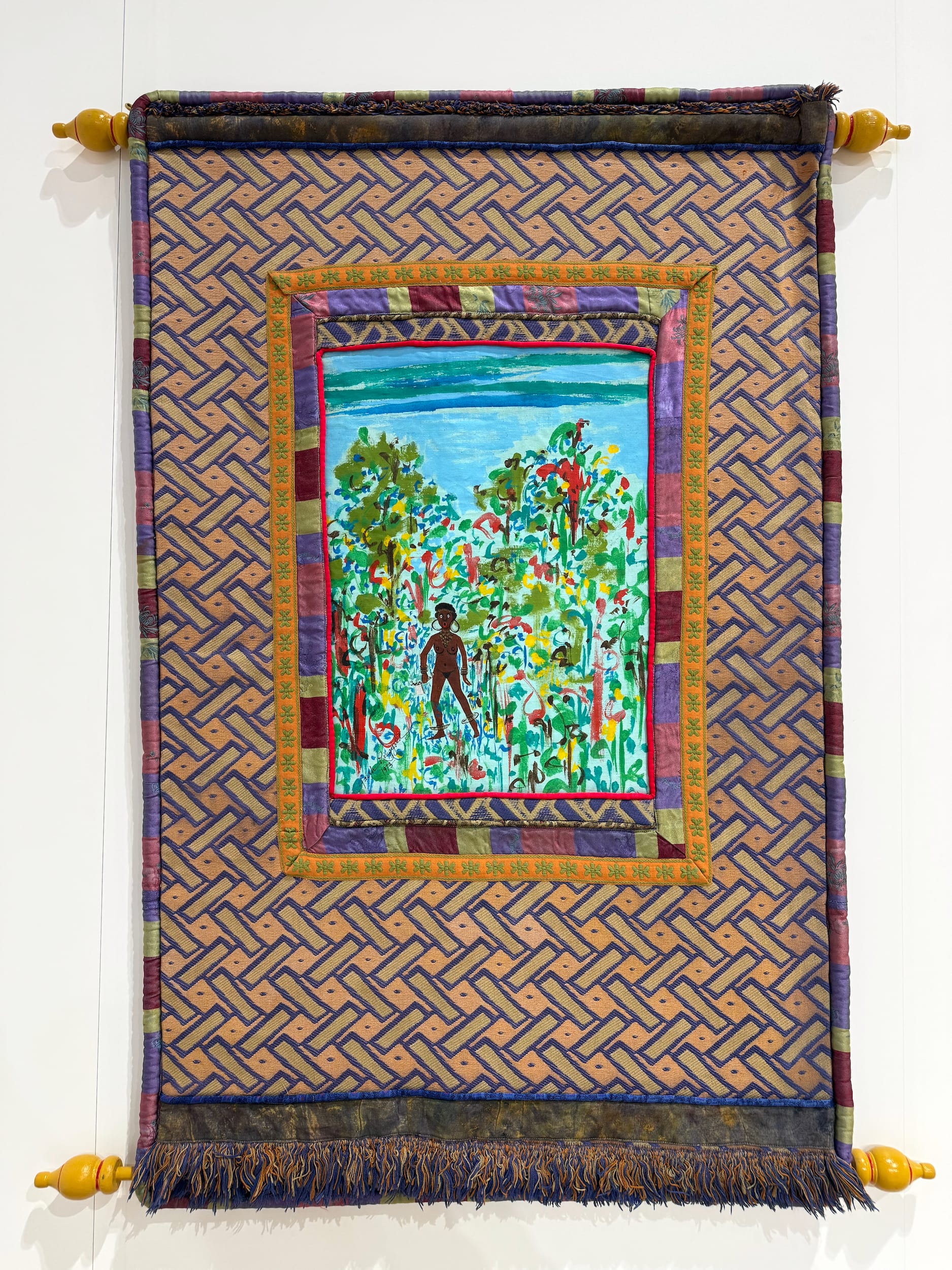
Born in 1930 in New York City, Ringgold was a child of the Harlem Renaissance. This is evident in her artworks, stylistically informed by the politics and aesthetics of the landmark cultural era. Her affinity for Black history at large its music, literature, and art appears with regularity across her oeuvre. Her 1973 Slave Rape series comprises gutting interpretations of sexual violence, based on the likenesses of Ringgold and her daughters, painted on tapestries inspired by Tibetan thangkas.
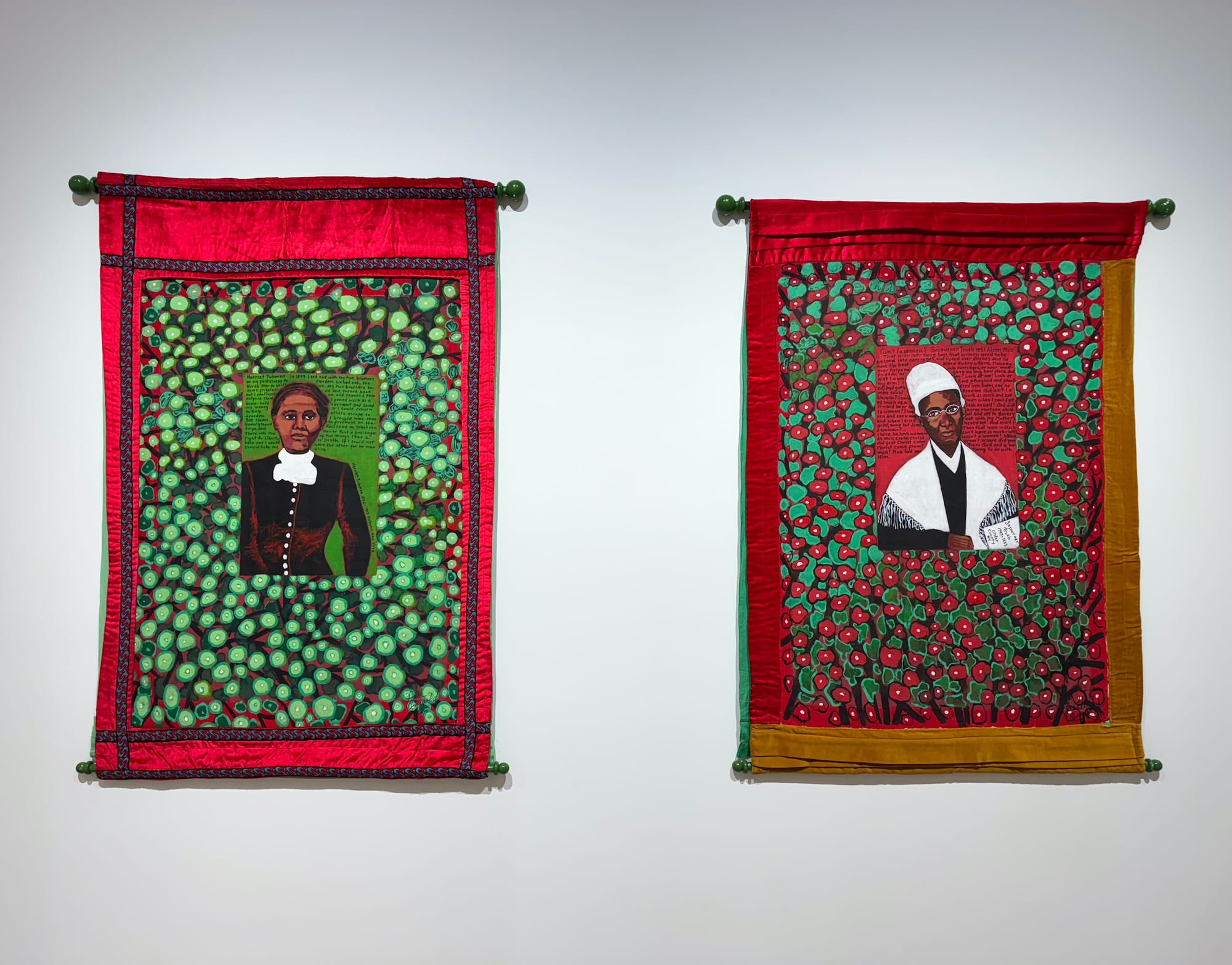
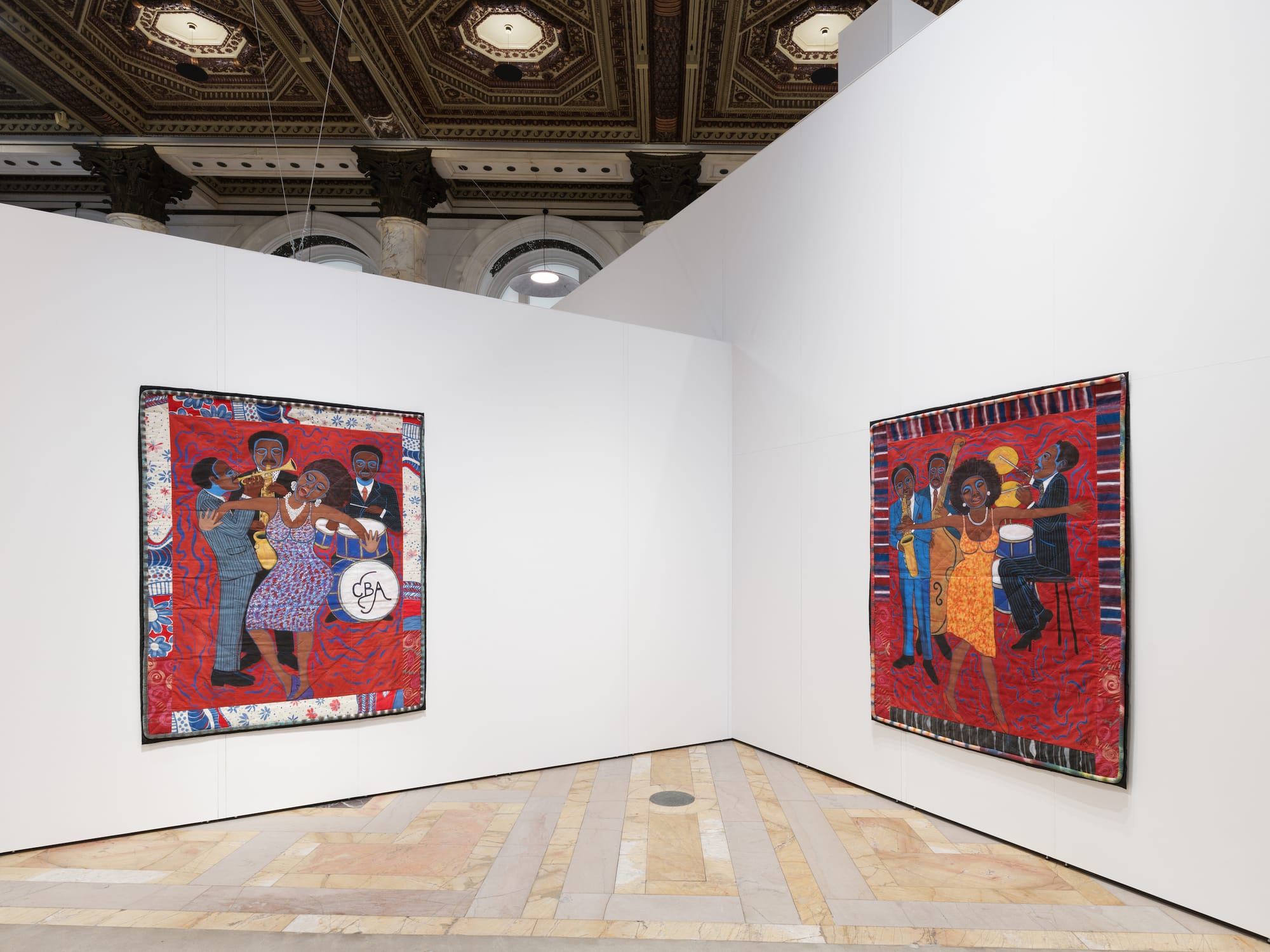
Her Jazz Stories quilts (2004–7) honor the music genre’s creative power, depicting sensuous clubs swirling with smoke and stages led by curvaceous women rapt in song. On quilts dominated by black, red, and green, she honored the words and likenesses of revolutionary luminaries Sojourner Truth, Harriet Tubman, and Martin Luther King Jr.
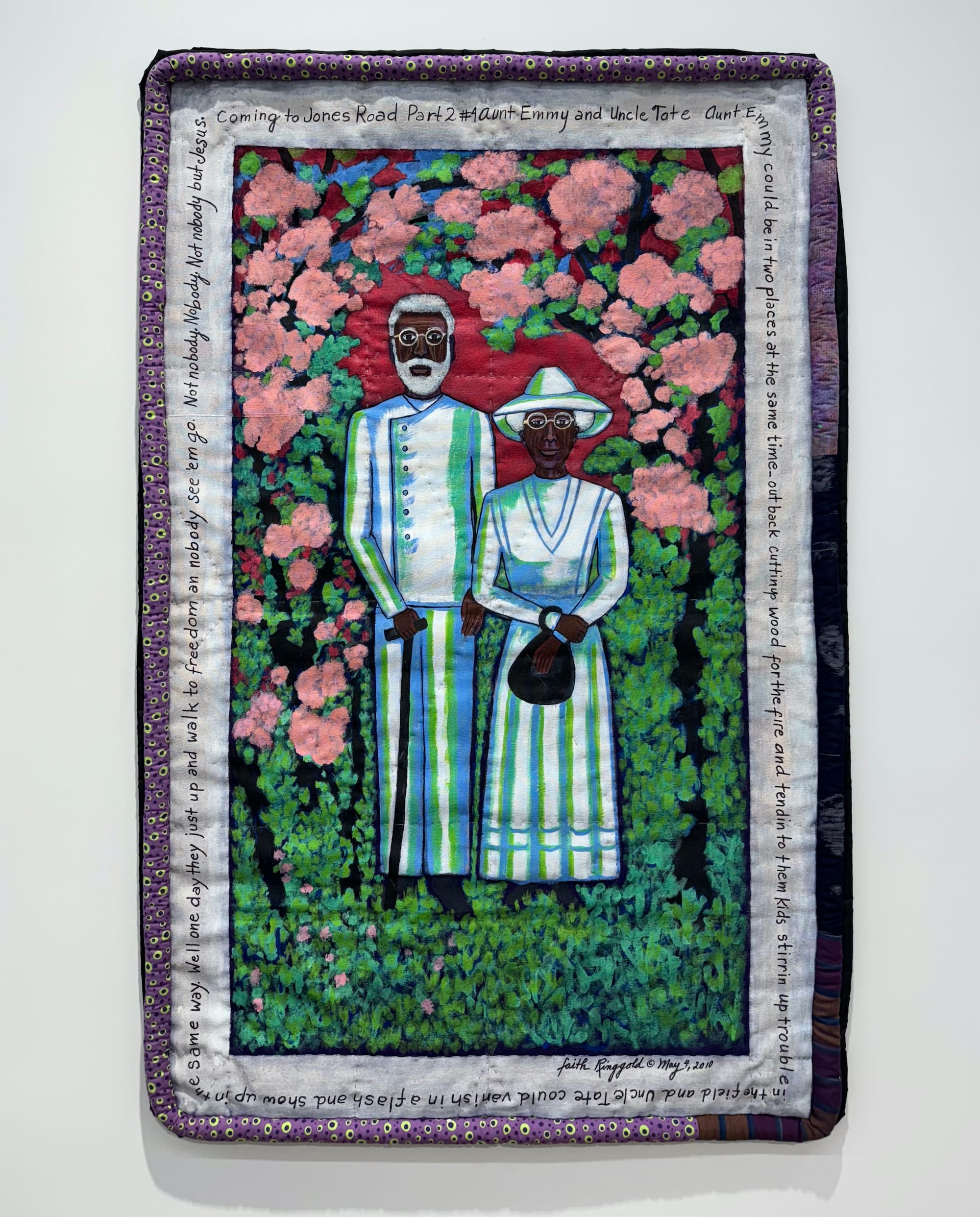
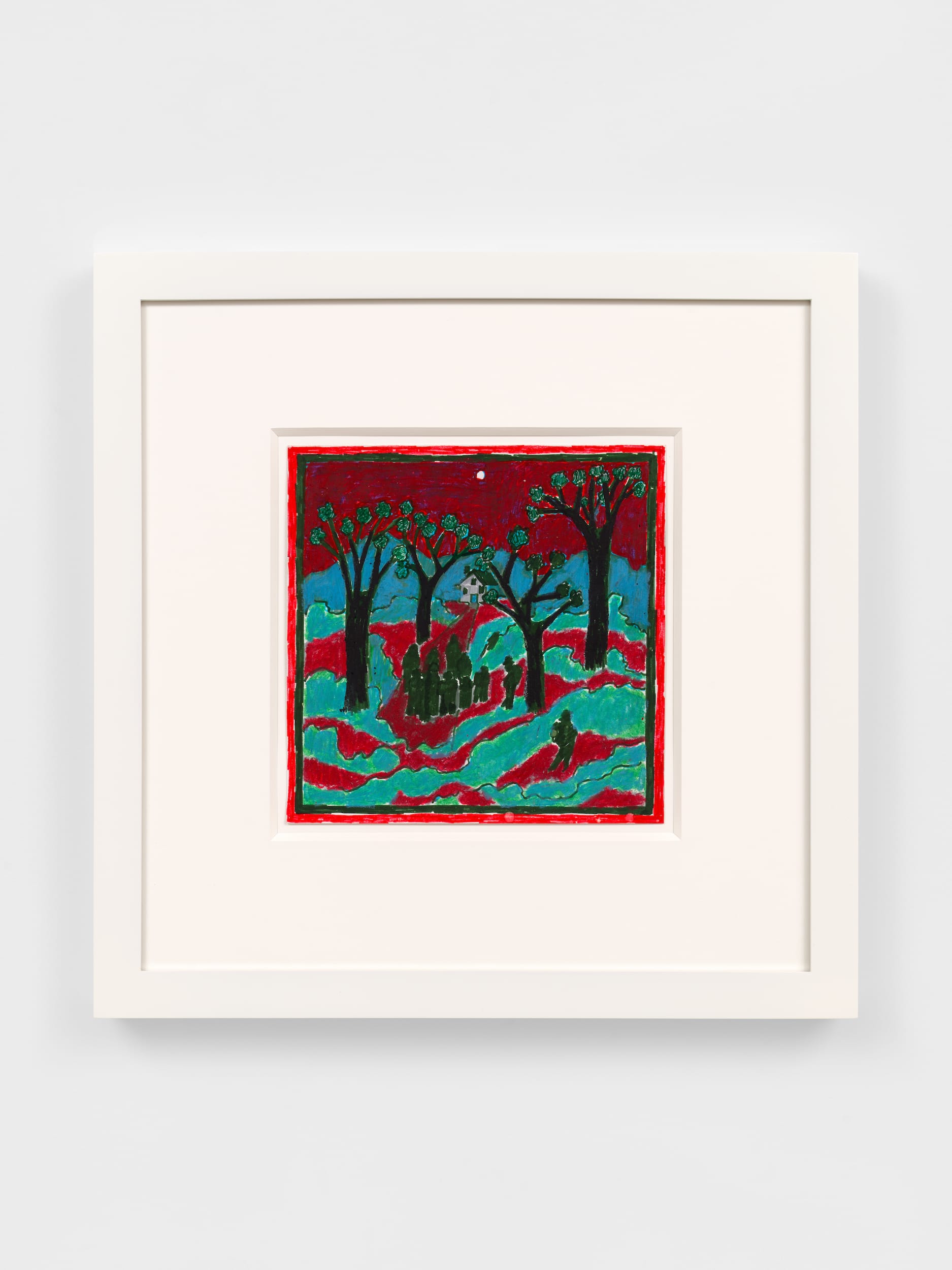
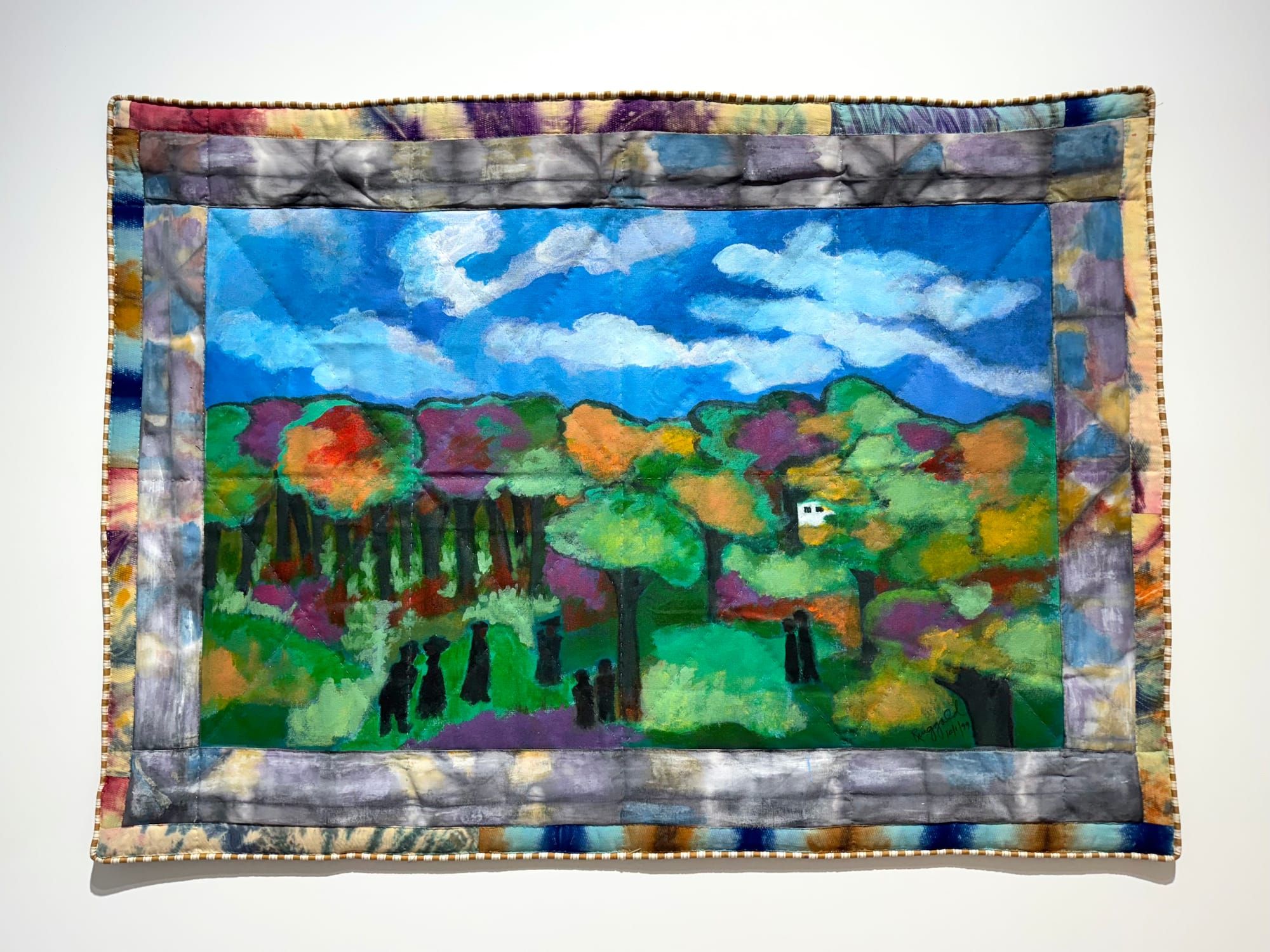
In her Coming to Jones Road series, developed over a decade, from 1999 to 2010, Ringgold adeptly tackled the topic of domestic life under enslavement and emancipation. Iterations from this mixed media series appear across the galleries. Some wordless, and others integrating brief but mighty tales, they are a highlight of the exhibition. Text circles the perimeter of “Coming to Jones Road Part II #4 Aunt Emmy and Uncle Tate” (2010). “Aunt Emmy could be in two places at the same time outback cuttin up wood for the fire and tendin to them kids stirrin up trouble in the field and Uncle Tate could vanish in a flash and show up in the same way,” Ringgold wrote. “Well one day they just up and walk to freedom an nobody see ’em go. Not nobody. Nobody. Not nobody but Jesus.” It’s a work of profound microfiction fantastical, concise, and haunting. On paper and fabric, Ringgold returned to these narratives of a family blighted by slavery but buoyed by love, centered on Aunt Emmy and Uncle Tate, and their journey to freedom on the Underground Railroad.
Also on view is one of Ringgold’s famed story quilts, always a delight to behold, relating funny and heart-wrenching accounts in a colloquial, stream-of-consciousness tone. “The Bitternest #3: Lovers in Paris” (1987) follows two ill-fated lovers, from their meeting to their demise. It packs a punch in 14 panels, amusing, erotic, romantic, and tragic all at once. Ringgold’s hybrid text-and-image artworks reach inside of you and require a response, whether titillation, empathy, or something else. She was generous with her gifts, at times witty in her social commentary, sometimes scathing in her critique, periodically self-reflective, and always innovative. Through her creative lives as author, illustrator, painter, quilter, sculptor, and activist, she deployed potent personal and political messages that speak to the urgency, vulnerability, and tenderness of life. Ringgold responded and reacted to the world around her, conjuring new, emotive ways to tell stories as a Black artist.