
Miles J. Unger’s new study on the artist is in part a critical biography and in part an impressive and sensitive account of his creation of some key paintings.
Christianity had failed him. What next then? Art?
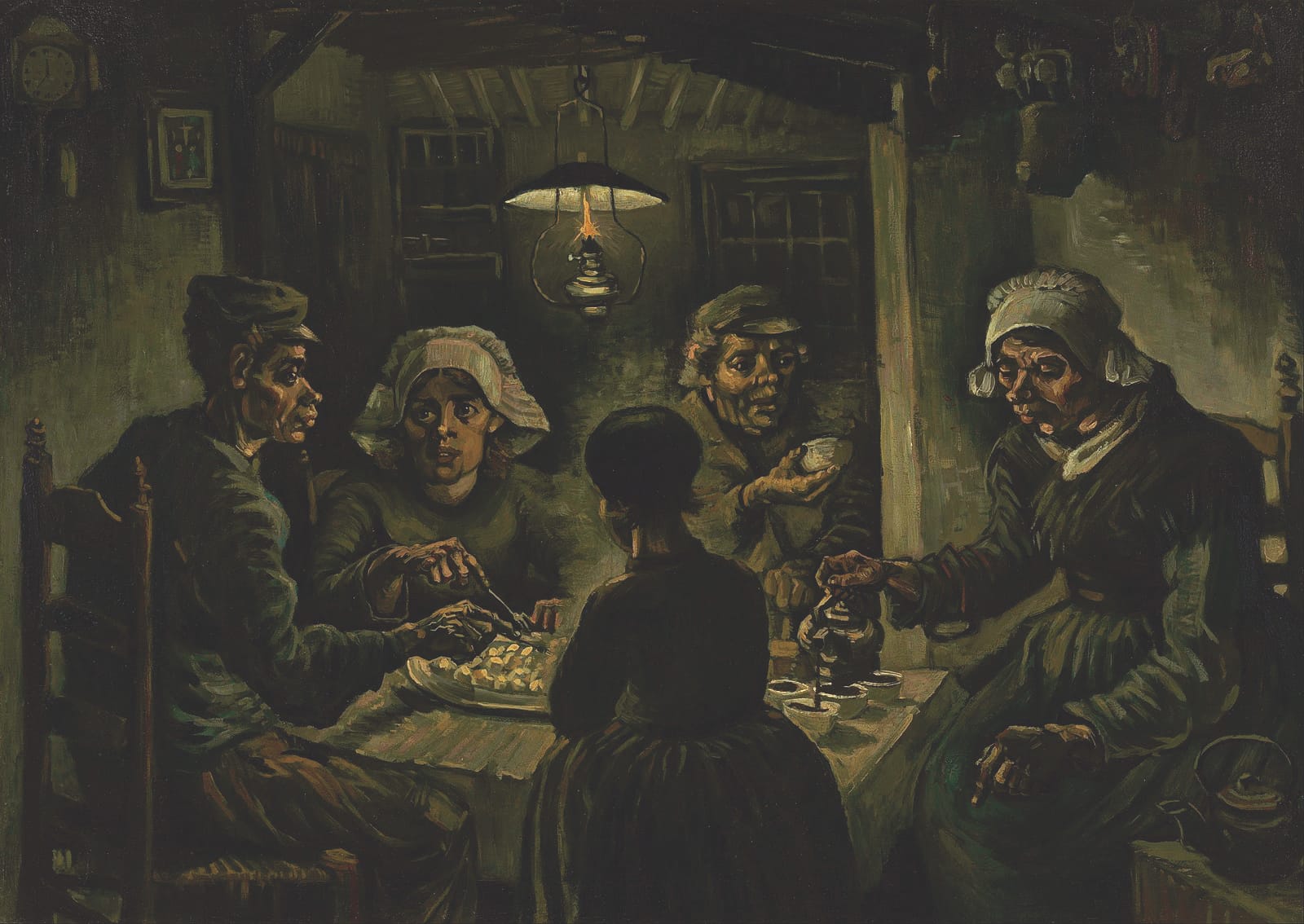
Vincent van Gogh’s life as an artist had the most faltering and rudimentary of beginnings in 1880. By 1890 he was dead, by suicide, at the age of 37. A tempestuous life snuffed out.
A Fire in His Soul: Van Gogh, Paris, and the Making of an Artist is in part a critical biography and in part an impressive and sensitive account of his creation of some key paintings. It focuses primarily on the years 1886 and 1887, during which he lived with his long suffering brother, Theo, in a flat on a winding, upward-rising street in Montmartre, Paris, called Rue Lepic.
Why those years? Because, author Miles J. Unger argues, his immersion in the avant garde circles of Paris at that historical moment, his various acquaintanceships with such fellow artists as Toulouse Lautrec, Emile Bernard, and Gauguin, and the quality of debate swirling in the feverish air of the City of Light about the nature of the modern in art, gave van Gogh the tools to forge his own mature identity as an artist. If academicism was indeed dead, what would succeed it?
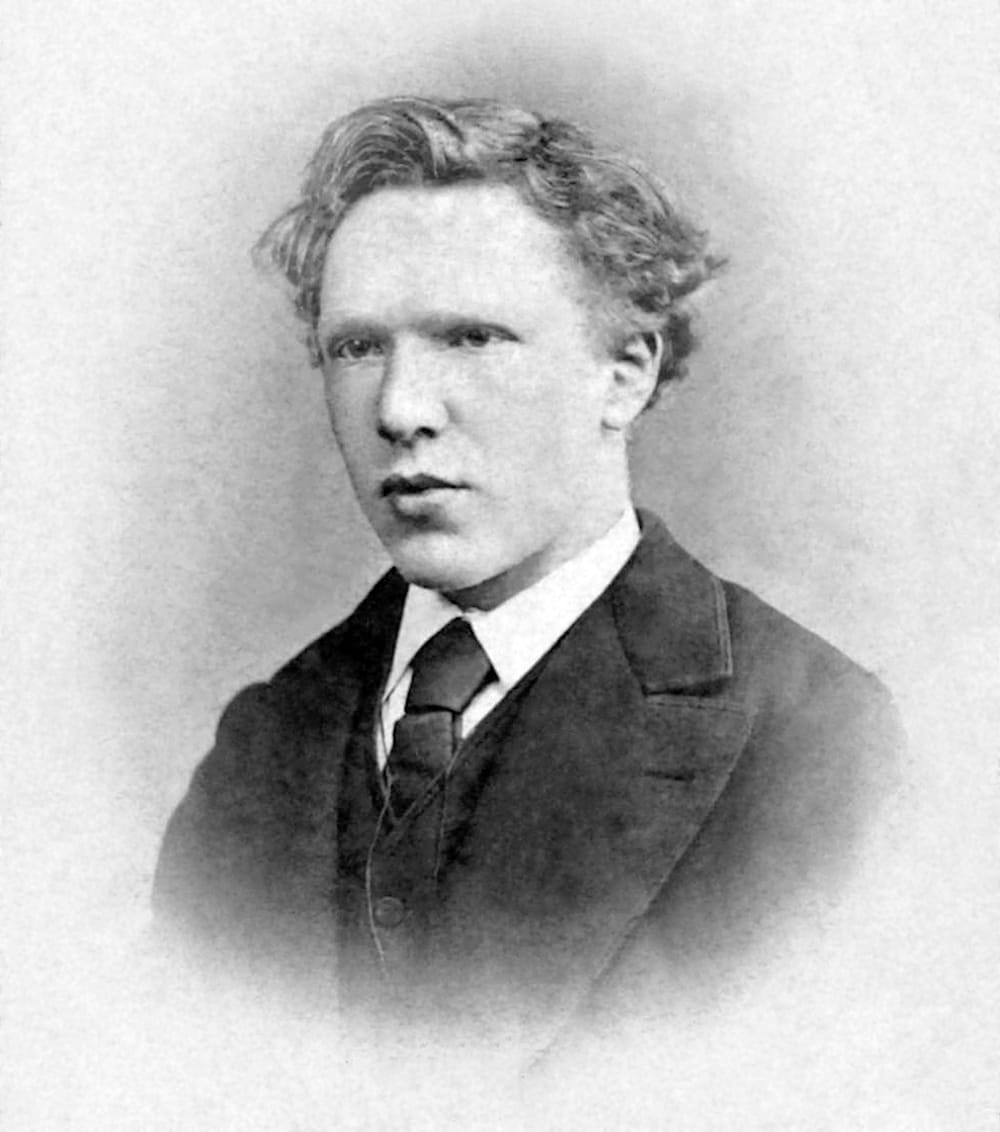
There were many contenders for van Gogh’s attention in those years: Impressionism (already established as a success story), post Impressionism, Divisionism, Pointillism, Symbolism, Cloisonnism, Japonisme, Nabisme. Yet he would belong to none of these movements. He was too much his own man, too restlessly individualistic for belonging. Instead, he plucked out bits and pieces from here and there an often near-feverish intensity of color, for example; the crinkly quality of the paper so often used in Japanese prints, for instance and forged from these ad hoc thises and thats an entirely unique identity.
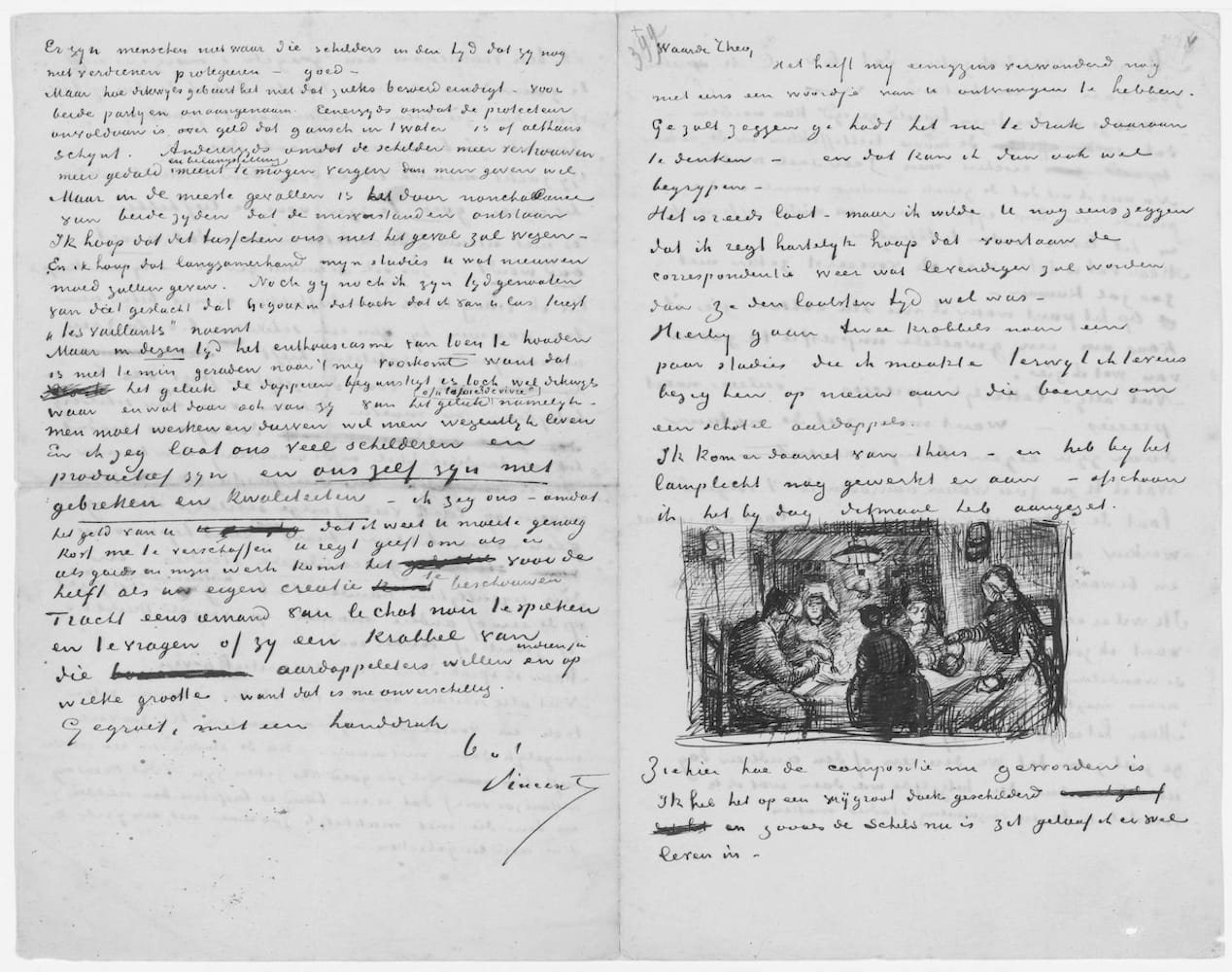
Unger is especially good at making sense of the furious level of often self contradictory debate about art and how it was to be made. The story, in all its complexity, is told with verve and panache and a real grasp of its social and intellectual context. Of course it also needs to be said that every writer about van Gogh has had the benefit of his hundreds of extraordinary letters, which bring alive both the intelligence and the incongruities of the man, and this book is no exception. Extensive quotation from those letters, in all their barkingly furious eloquence, make for marvelous reading.
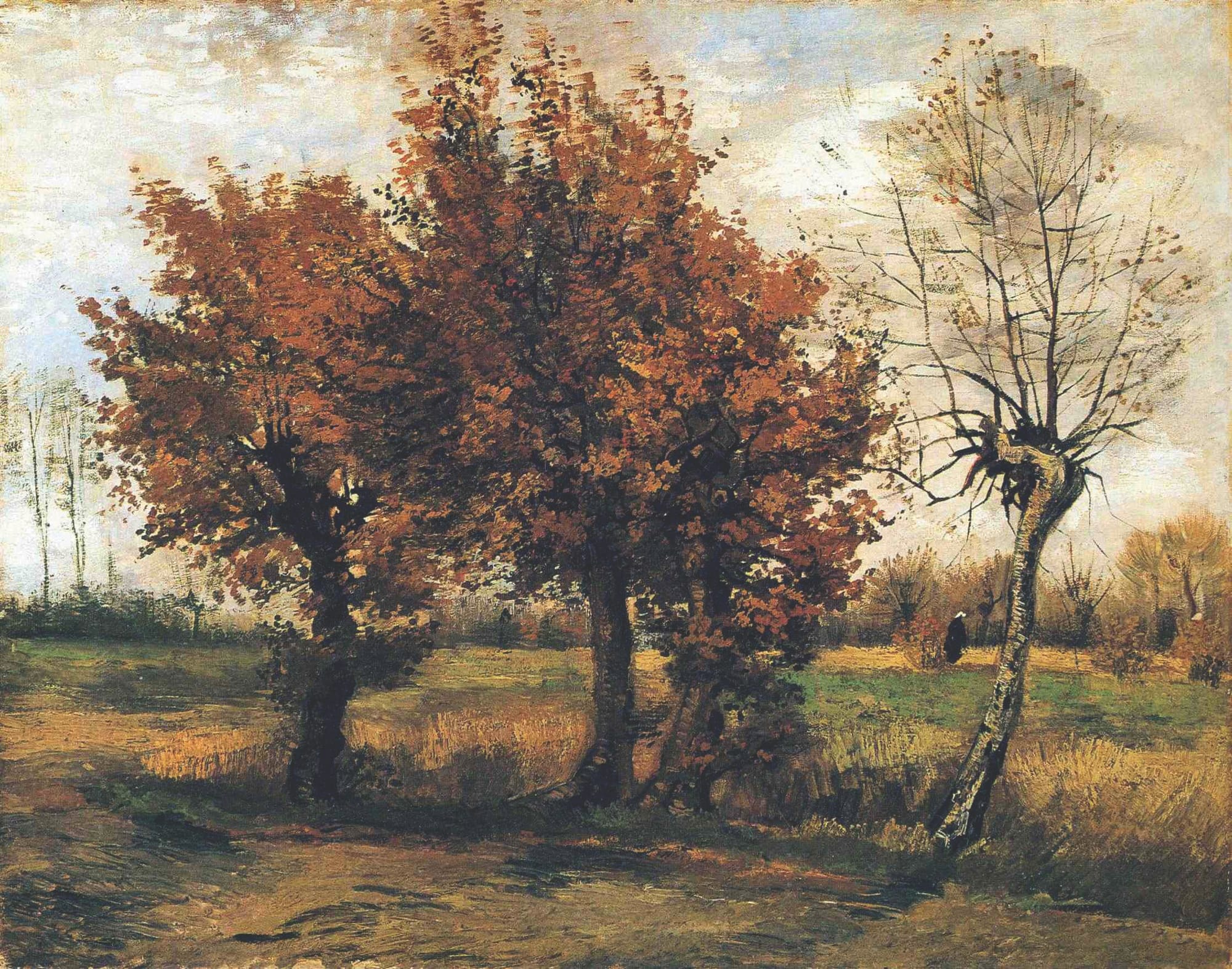
Van Gogh was arrogant, argumentative, self lacerating, and self deluding, with the manic work ethic of a carthorse. Almost all who met him found him impossible to deal with. Except, finally, his more modest and tractable younger brother, Theo, the respectable Parisian art dealer who supported him financially throughout his life because he believed that his elder brother possessed more than the touch of a genius.
There is one matter that the book addresses in far too cursory and dismissive a fashion, and that is poetry. Most studies of van Gogh including this one make much of his fascination with French fiction and in particular Emile Zola and his naturalist creed. What it lacks when it considers the nature of van Gogh’s beliefs (he is probably best described as a pantheist) is the influence of poetry on his thinking and making. Poetry is where he found his emotional sustenance
In the autumn of 1888, he made a painting of a young Belgian called Eugen Boch. He titled it “The Poet.” What did van Gogh’s preoccupation with poetry, and the idea of the poet, actually amount to? Unger mentions but does not comment on this painting. Had that happened, this fine book might have been even richer than it already is.