

Scholar Larry Silver sheds light on depictions of old age in Greek, Biblical, and European art history, but misses a deeper exploration.
The years before Michelangelo’s death were some of his most productive and most celebrated including his work as the lead architect of St. Peter’s Basilica and his murals at the Pauline Chapel in Rome. He passed at age 88 in 1564, a long life even by today’s standards. Did the extra years give him special skills or insights?
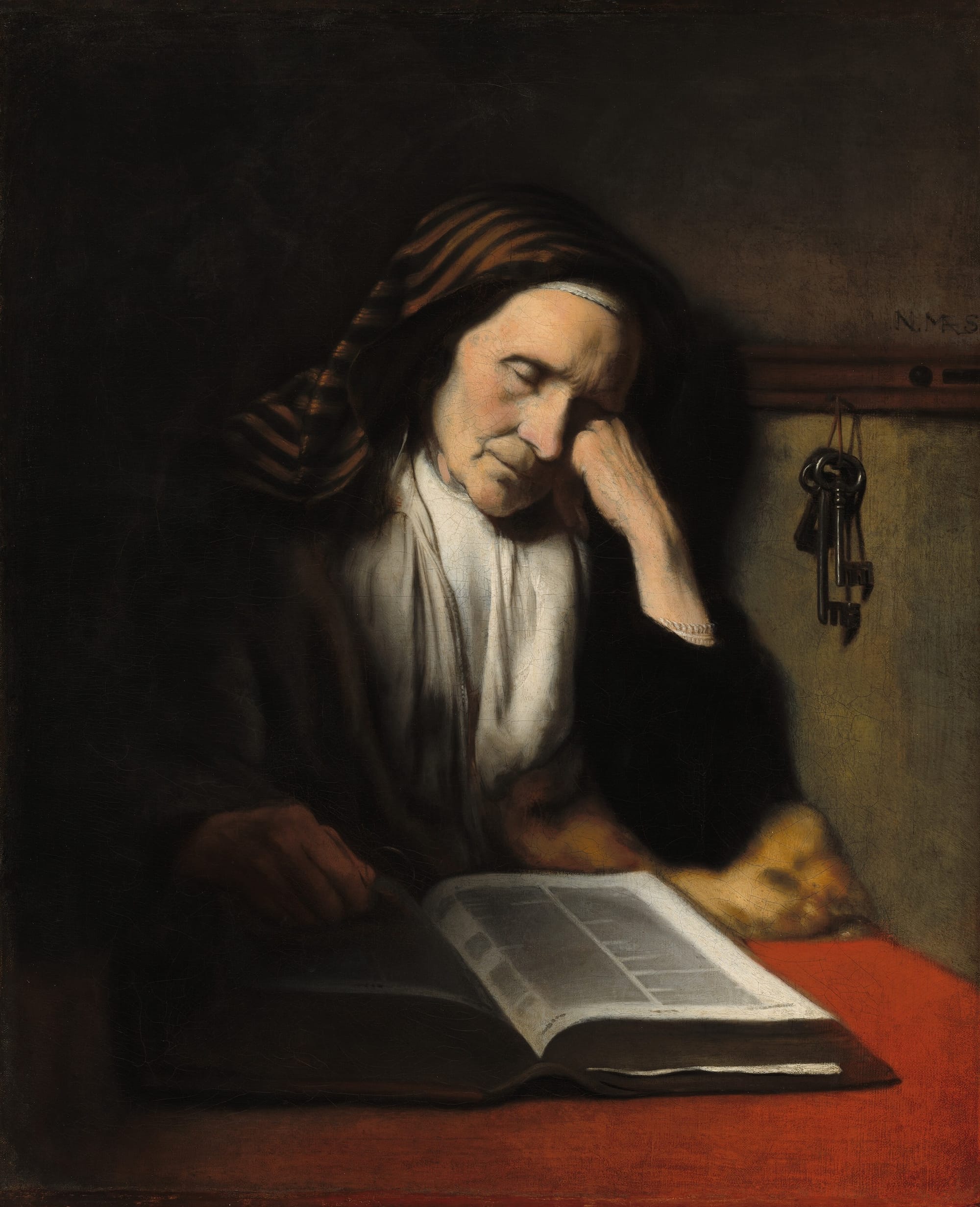
Art historian Larry Silver would say so. In Old Age in Art, he explores the impact of a long life on the work of artists like Michelangelo, as well as the portrayal of advanced age in Western art over time. Physical signs of aging baldness, wrinkles, stooped postures first figured prominently in Roman portraiture in the 4th century BCE, but old age and its representations have often been pushed to the margins. Silver’s book puts a refreshing and unexpected spotlight on the complexities of depicting this essential but often downplayed phase of life, arguing that representations of elderly people inevitably come with value judgments, which vary considerably throughout history.
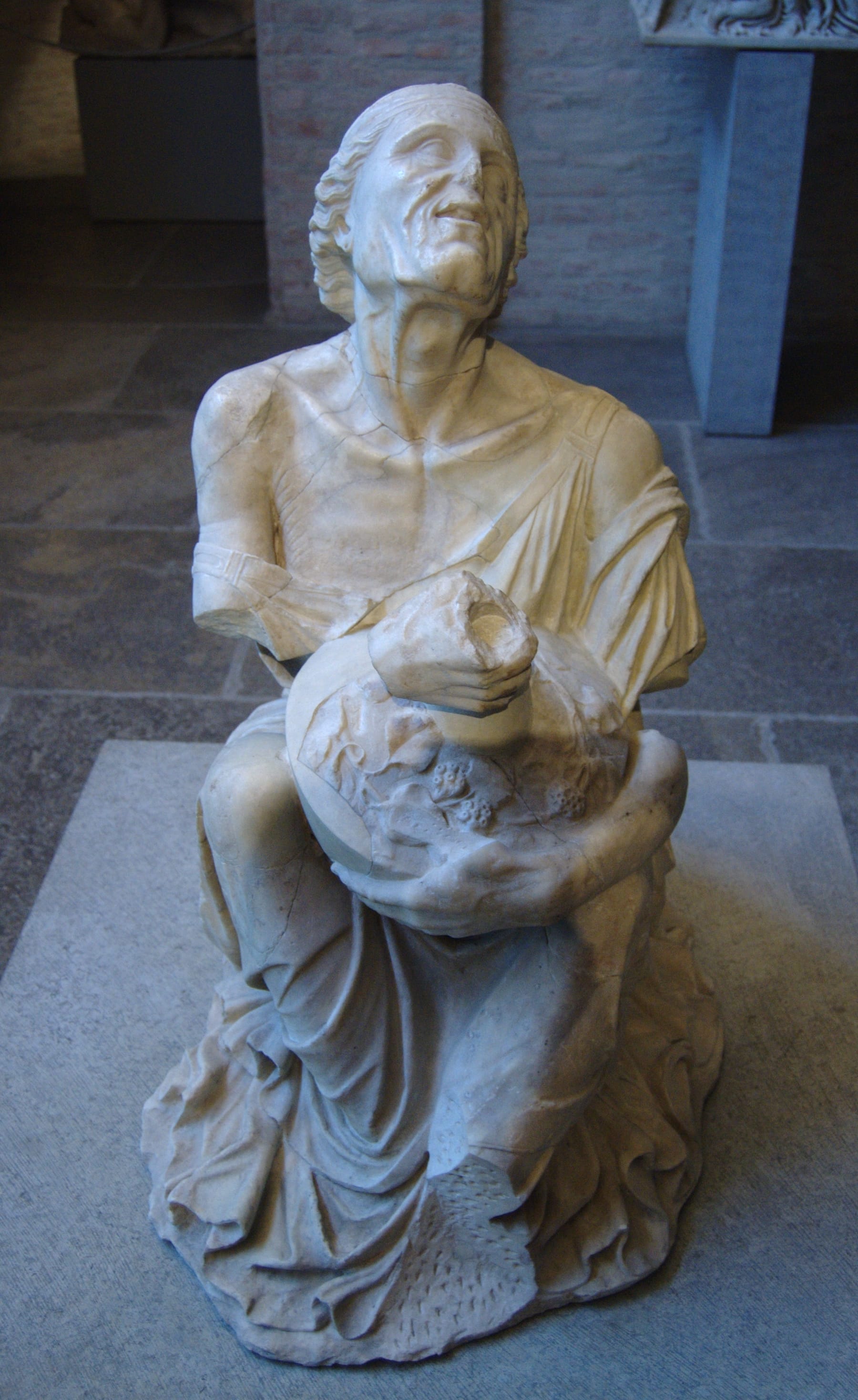
In depictions of royalty and religious figures, as in Albrecht Dürer’s lush painting “St. Jerome” (1521), old age can connote wisdom, experience, and prudence. Conversely, the physical and cognitive decline of old age may be tied to a kind of moral decay. A striking early illustration of this critical stance is “Old Drunkard,” a brutally grotesque 2nd-century BCE Roman marble sculpture of an elderly woman in tattered rags clutching an enormous bottle.
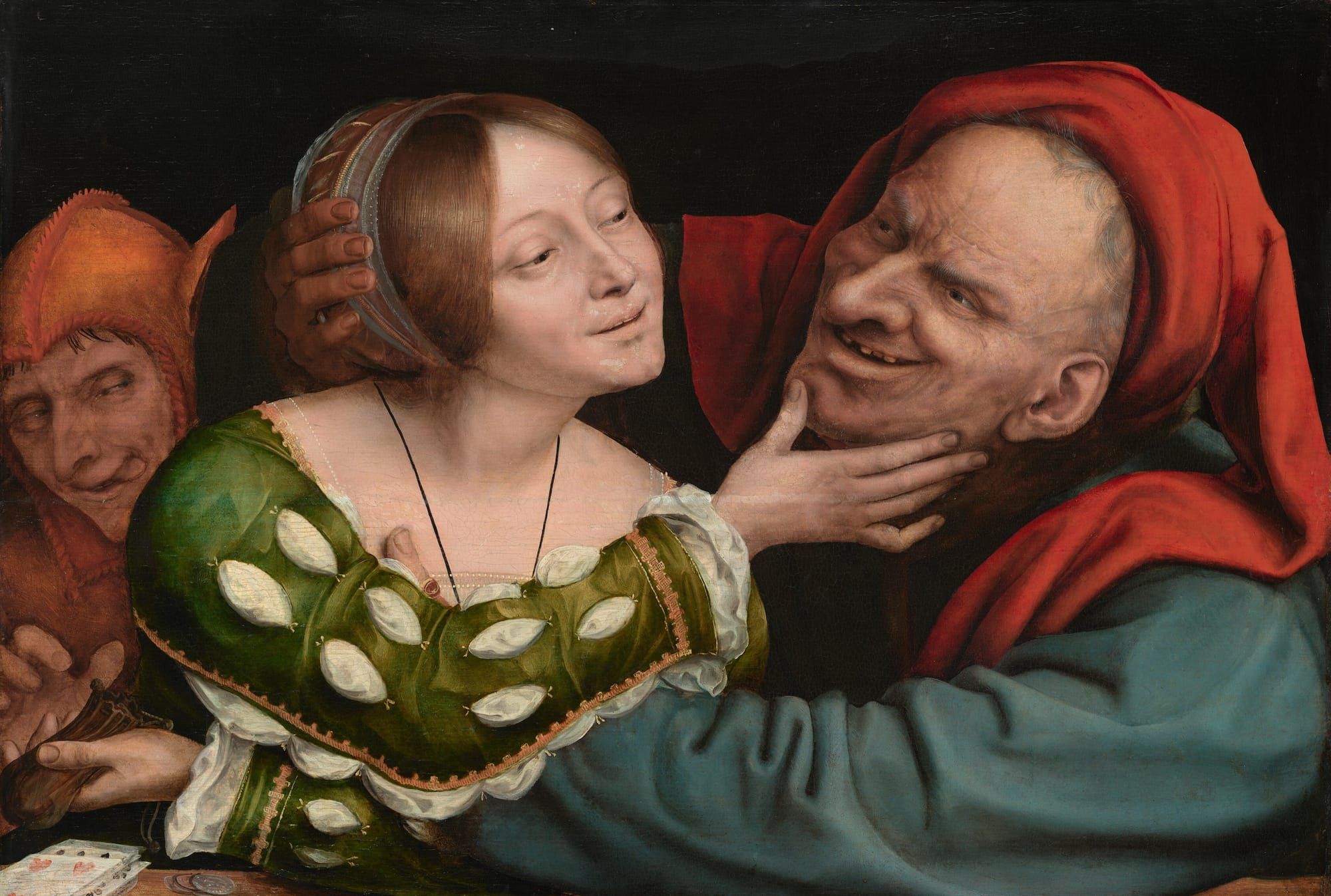
Silver points to other works, like Quinten Massys’s “Ill-Matched Lovers” (c. 1520–25) and Hieronymus Bosch’s “Death and the Miser” (c. 1485–90), that portray the old as lecherous and greedy, and still others that equate age with weakness, foolishness, or even malice, as in Francisco de Goya’s many works depicting old women as witches. The same complex and conflicting messages about aging in the artworks Silver describes continue to resonate in visual culture today, not to mention with the ageism and sexism built into the institutional art world, one of the book’s strengths.
There are other areas, however, where the book falters. Silver’s topic is a vast and rich one, but he seems to only be able to touch briefly on points that deserve much deeper investigation. For instance, though he never explicitly says that his focus is on Western art and culture, Silver’s analysis is almost exclusively based on stories and artworks drawn from Greek mythology, the Bible, and European rulers. It’s curious, then, that one chapter of Old Age in Art makes a passing mention to Japanese and Chinese art, with a single paragraph dedicated to each, before promptly returning to Europe and, though to a lesser degree, the United States.
I was disappointed to see this pattern repeat with artwork made by women. Alice Neel, Julia Margaret Cameron, and Imogen Cunningham make quick but intriguing appearances at the end of chapter four, but otherwise the book is dominated by men. That’s especially unfortunate given that Silver’s final chapter, focusing on the technical and conceptual changes that can develop at the end of an artist’s life, is a potentially universal phenomenon; I think of Helene Schjerfbeck’s arresting final self-portraits, or Hilma af Klint’s ethereal late watercolors, for example. Silver’s book concludes with Henri Matisse and Pablo Picasso, neglecting the women artists who were making inroads into the institutional art world during the 20th century in favor of discussing the effects of old age on men and their work.
Still, by shedding light on a group and an experience that has too often been pushed into the shadows, the book brings together a compelling group of artworks made of and by elderly people, and convincingly argues for their importance. One such indelible piece is Alice Neel’s “Self-Portrait” (1980), encapsulating so much of the power of advanced age. Painted when she was 80 years old, the piece shows the seated, nude artist holding a poised brush and returning the viewer’s gaze with quiet confidence. Here, as in other late works, Neel’s clear eyed candor and grace seem to come from years of experience.
